Thinking about buying in Southwest Florida without being here full time? Port Charlotte can make a lot of sense for remote buyers, but it helps to understand what kind of place it really is before you book flights, schedule tours, or make an offer from afar. If you are relocating and want a practical, water-oriented base with a wide range of housing choices, this guide will help you focus on what matters most. Let’s dive in.
Why Port Charlotte stands out
Port Charlotte is best understood as a mainland harbor community on Florida’s southwest coast, not a beach-town strip. It sits between Punta Gorda and Englewood, with strong ties to waterways, fishing, Gulf sunsets, and I-75 access.
For remote buyers, that distinction matters. You may get the Southwest Florida lifestyle you want while staying closer to everyday services and often at a lower price point than some nearby coastal towns.
Charlotte County also functions as a practical local hub in Port Charlotte. County resources connect residents to housing information, transit, flood and evacuation details, parks, libraries, schools, and utilities, which can make the transition smoother when you are moving from out of state.
What daily life looks like
If you are relocating, lifestyle is only part of the picture. You also want to know whether daily errands, healthcare, transportation, and basic services will be easy to manage once the move is complete.
Port Charlotte checks many of those boxes. AdventHealth Port Charlotte is a 247-bed full-service hospital open 24/7, and Charlotte County Public Schools serves the area with the district office located in Port Charlotte.
Travel access is another plus for remote buyers and seasonal households. Nearby commercial air service comes from Punta Gorda Airport and Southwest Florida International Airport, which can be helpful if you expect frequent trips back and forth during your move or after you settle in.
Charlotte County also offers curb-to-curb public transportation. That can be useful if your household plans to share one vehicle part of the year or if you want another option for getting around.
Housing options in Port Charlotte
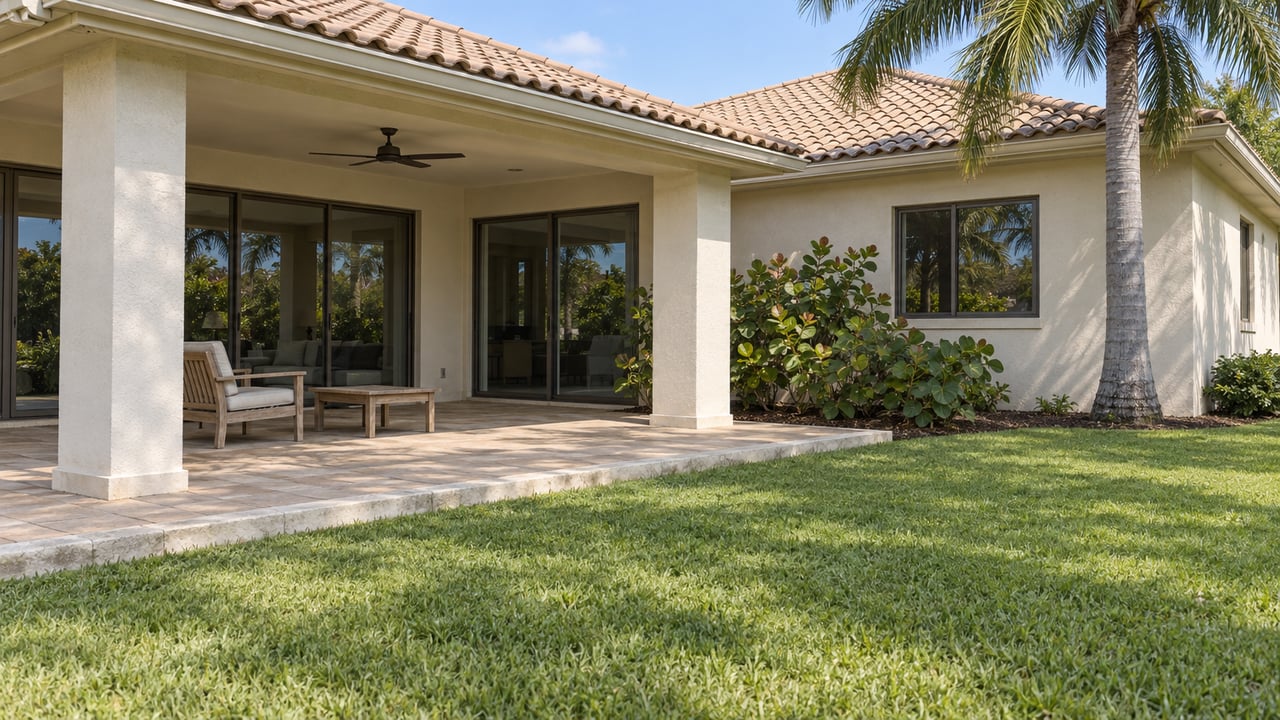
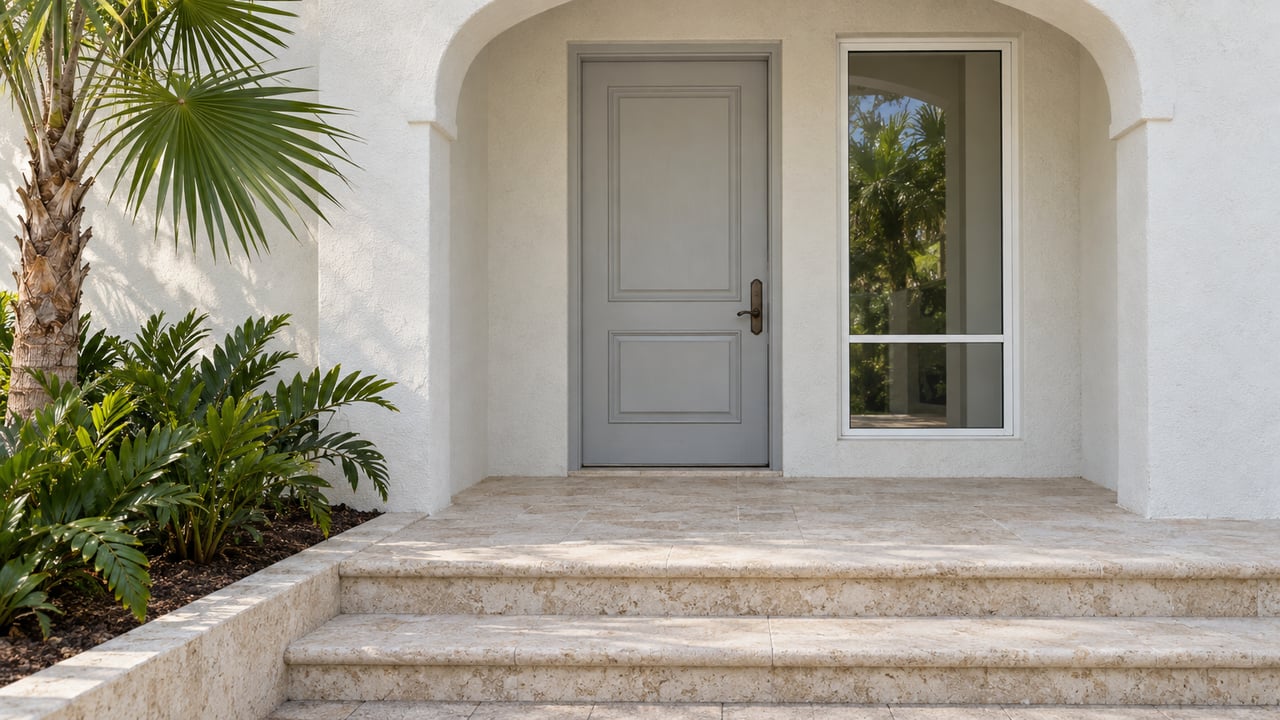
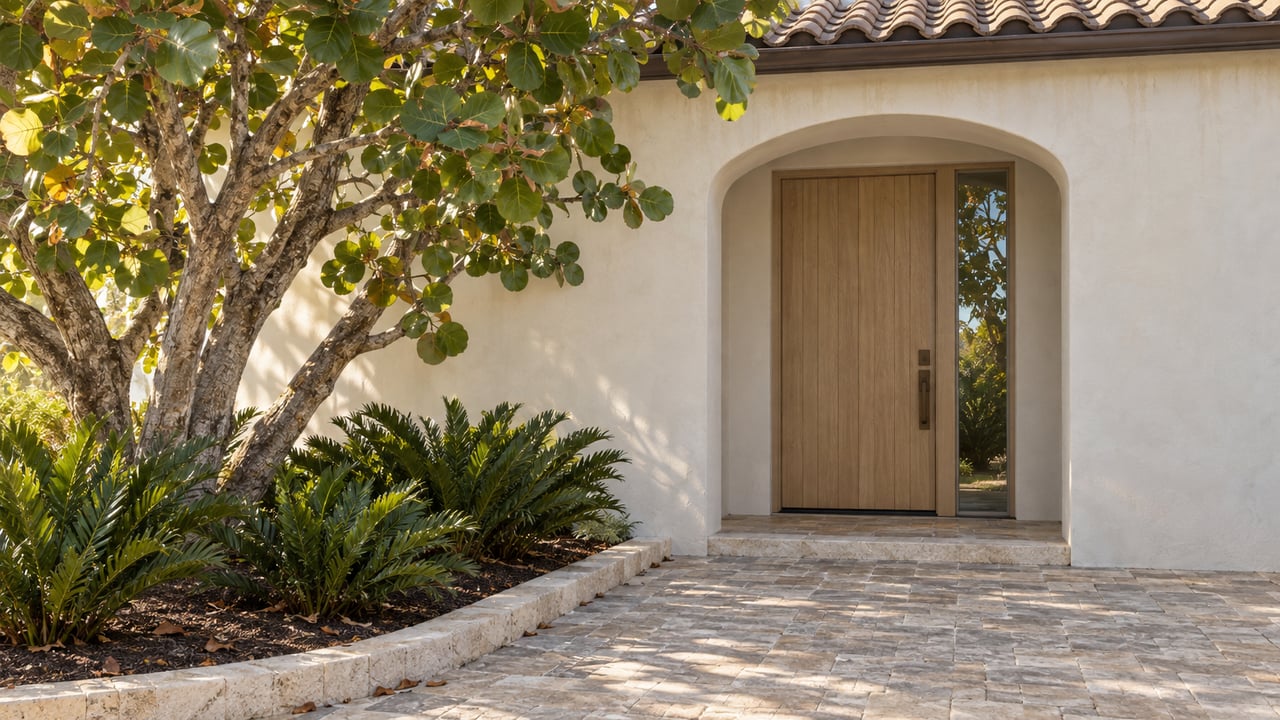
One of the biggest advantages of Port Charlotte is variety. This is not a market where every home looks the same or every buyer is choosing from the same product type.
Charlotte County’s housing planning materials describe a diverse mix that includes single-family homes, multi-family homes, patio homes, zero-lot-line homes, manufactured homes, and mobile homes. For you, that means more flexibility if you are comparing an older inland home, a newer construction property, or a lower-maintenance option.
That range can be especially helpful if you are relocating with a clear budget in mind. Instead of forcing your search into one narrow category, Port Charlotte gives you room to compare lifestyle, upkeep, and price across several property types.
Port Charlotte pricing in context
Remote buyers often ask whether Port Charlotte is still one of the more affordable ways to enter the Southwest Florida market. Based on current sales data, the answer is yes.
Redfin reports a median sale price of $277,500 in Port Charlotte in March 2026. That is down 1.8% year over year, with 169 homes sold and a median of 58 days on market.
For comparison, Redfin’s statewide Florida median sale price was $416,800 in March 2026. That gap helps explain why Port Charlotte often appeals to buyers who want Gulf Coast access and a practical home base without paying prices more commonly seen in beach-focused or downtown harbor markets.
How Port Charlotte compares nearby
If you are relocating from another state, it is easy to lump nearby towns together. In reality, Port Charlotte, Punta Gorda, Englewood, and Venice each offer a different feel and a different price point.
Here is a simple snapshot based on the research provided:
| Area | Median Sale Price | Median Days on Market | General Positioning |
|---|---|---|---|
| Port Charlotte | $277,500 | 58 | Mainland harbor base with value and convenience |
| Englewood | $363,750 | 72 | More beach-centric coastal setting |
| Venice | $425,000 | 73 | Classic beach-town environment |
| Punta Gorda | $522,450 | 95 | Downtown harbor-town feel |
Based on those figures, Port Charlotte is the least expensive of the four. That does not make it the best fit for everyone, but it does make it worth a close look if access, practicality, and price are high on your list.
Why remote buyers often choose Port Charlotte
For many relocation buyers, Port Charlotte works because it balances lifestyle with logistics. You can enjoy a water-oriented setting with access to fishing, boat ramps, kayak launches, conservation lands, and beaches in the broader area, while still being rooted in a place that supports day-to-day living.
That balance matters even more when you are buying from a distance. A home can look great online, but your long-term comfort often depends on details like road access, nearby services, travel convenience, and how easy the area feels once you are actually living there.
Port Charlotte also suits several types of buyers served by Denise Heath Home Team, including out-of-state retirees, second-home shoppers, and buyers considering new construction or vacant land. The area’s variety gives you more ways to match your purchase to your timeline and goals.
What to verify before you buy remotely
When you are not local, due diligence needs to be more intentional. In Port Charlotte, the right home is only part of the decision.
Start with the basics you can confirm before your trip:
- Utilities availability
- Flood information
- Evacuation zone details
- Permit information
- Nearby parks, libraries, and public services
- Airport access and daily driving routes
Charlotte County’s website is useful because it brings many of these resources together in one place. That can help you turn a short scouting trip into a focused decision-making visit instead of a rushed tour schedule.
Flood and evacuation checks matter here
In Port Charlotte, storm planning should be part of your buying process from the start. This is not something to save until the last minute.
Charlotte County describes itself as a low-lying region with diverse flood risks and divides the county into five evacuation zones. FEMA is the official source for flood-hazard information, and FEMA also notes that most homeowners insurance does not cover flood damage.
That is why remote buyers should verify both the flood zone and evacuation zone early. If you are comparing homes that seem similar on paper, those two factors can affect cost, comfort, planning, and long-term peace of mind.
Timing your move around hurricane season
If your relocation will happen in the second half of the year, timing deserves extra attention. NOAA states that Atlantic hurricane season runs from June 1 through November 30.
That does not mean you should avoid buying during that period. It does mean you should allow more time for inspections, insurance quotes, and possible weather-related delays.
For remote buyers, a little extra breathing room can make the process much easier. If you are coordinating travel, vendors, financing, and move-in dates from another state, tight timelines can become stressful quickly.
Why one in-person trip still helps
Virtual tours are excellent for narrowing your options. They can save time, reduce unnecessary travel, and help you identify homes that deserve a closer look.
Still, most remote buyers benefit from at least one in-person scouting trip. It gives you the chance to evaluate street character, nearby commercial activity, drainage patterns, and the rhythm of daily driving in a way that online listings cannot fully show.
Even a well-produced video tour may not tell you how an area feels during afternoon traffic or after a heavy rain. In a market like Port Charlotte, those details are part of making a confident decision.
A smart relocation mindset
The best way to approach Port Charlotte is to think beyond the floor plan. A beautiful home matters, but so do location details that support the life you actually want to live once the boxes are unpacked.
As you compare homes, ask yourself:
- How close do you want to be to everyday services?
- Do you prefer an older home, new construction, or a lower-maintenance option?
- Have you checked flood zone and evacuation zone information?
- Will airport access matter often?
- Do you want a practical full-time base, a winter retreat, or a future build opportunity?
Those questions can help you search with more clarity and avoid common remote-buyer mistakes.
If you are planning a move to Port Charlotte, having a local guide who understands relocation, remote communication, new construction, and Gulf Coast market differences can make the process feel much more manageable. When you are ready to talk through your goals, connect with Denise Heath.
FAQs
What kind of town is Port Charlotte for relocation buyers?
- Port Charlotte is a mainland harbor community in Southwest Florida known for waterways, practical daily services, and access to nearby coastal destinations rather than a direct beach-town strip setting.
How affordable is Port Charlotte compared with other Florida markets?
- Redfin reported Port Charlotte’s median sale price at $277,500 in March 2026, which was below Florida’s statewide median of $416,800 for the same period.
How does Port Charlotte compare with Punta Gorda, Englewood, and Venice?
- Based on the research provided, Port Charlotte had the lowest median sale price of the four and is generally positioned as a more value-oriented, practical harbor base.
What home types can you find in Port Charlotte?
- Charlotte County identifies a mix that includes single-family, multi-family, patio, zero-lot-line, manufactured, and mobile homes.
What should remote buyers verify before buying in Port Charlotte?
- Remote buyers should confirm flood zone, evacuation zone, utilities, permit information, airport access, and nearby daily services before making a final decision.
Why is flood information important for Port Charlotte homebuyers?
- Charlotte County describes the area as low-lying with varied flood risks, and FEMA states that most homeowners insurance does not cover flood damage.
When is hurricane season in Port Charlotte, Florida?
- NOAA says Atlantic hurricane season runs from June 1 through November 30, so buyers moving during that period should allow extra time for inspections and insurance steps.
Should remote buyers visit Port Charlotte in person before purchasing?
- Virtual tours are helpful for shortlisting homes, but at least one in-person trip can help you assess street character, drainage, nearby activity, and daily driving patterns more clearly.