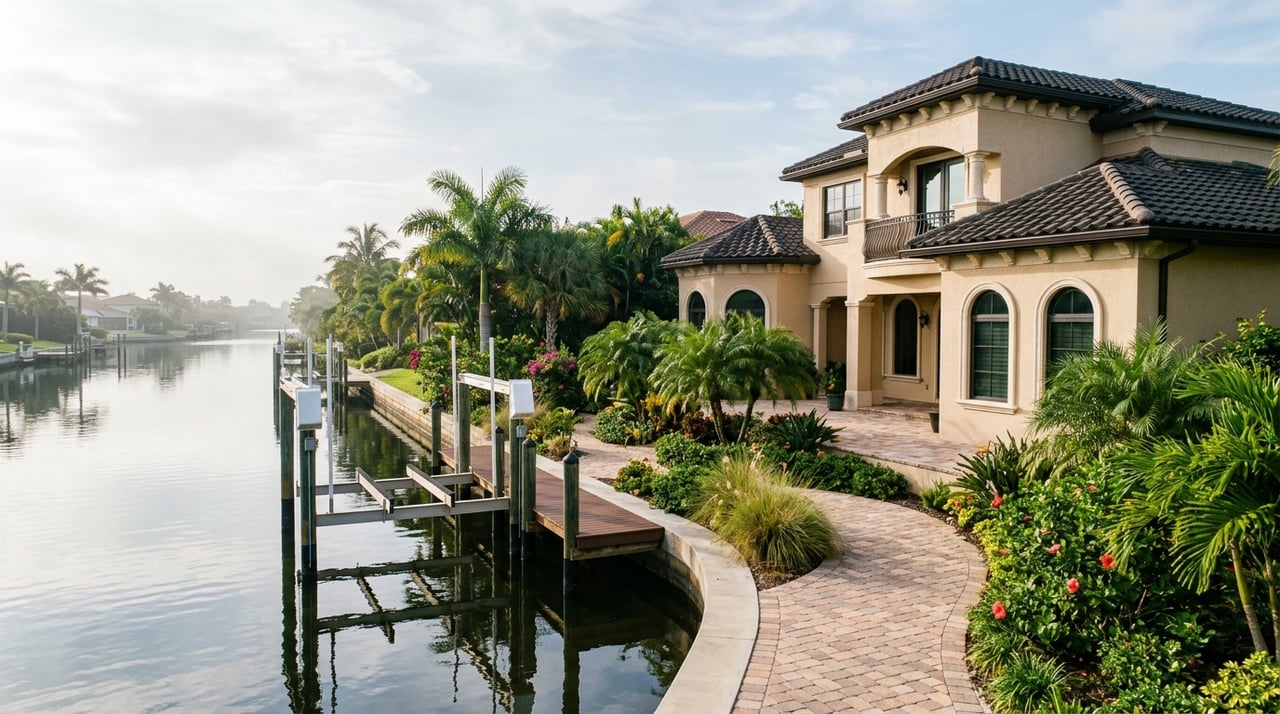
If your idea of home includes a boat nearby, quick access to open water, and a quieter coastal setting, the Cape Haze Peninsula deserves a closer look. In 33946, life is shaped less by crowded commercial strips and more by marinas, canals, preserves, trails, and island access. If you are considering a move, second home, or future homesite here, this guide will help you understand how boating, property types, and day-to-day ownership really work. Let’s dive in.
Why Cape Haze Appeals to Boaters
The Cape Haze and Placida area has a very different feel from more built-up beach markets. Charlotte County planning materials show that much of West County development has taken place in the western half of the Cape Haze Peninsula, while a large share of lots and parcels in West County remained vacant or undeveloped in those materials.
For you as a buyer, that often translates into a lower-density, more nature-oriented setting. The area’s character is tied closely to water access, preserves, marinas, and island connections rather than a dense suburban pattern.
That matters if you want boating to be part of your everyday routine, not just an occasional weekend activity. On the Cape Haze Peninsula, the lifestyle is built around being close to the water and using it often.
Boating Access in 33946
One of the biggest draws here is that you have multiple ways to get on the water. Depending on where you buy, your boating setup may involve a private dock, marina storage, a public ramp, or shared community access.
Local marinas and storage options
Gasparilla Marina describes itself as Placida’s largest deep-water marina. It offers wet and dry storage, deep-water access, dockside parking, rentals, and service.
Palm Harbour Marina on Placida Road offers another option for keeping your boat close by. According to the marina, it has dry storage up to 40 feet, wet slips up to 65 feet, fuel, a restaurant, and a service department.
For buyers, this range matters. If you do not want the maintenance of a private dock at home, nearby marina storage may give you a practical alternative.
Public ramps and county access
Charlotte County also maintains public boating access in the area. The county lists local access points such as Ainger Creek Park and Placida Park in its boat ramp inventory.
The county also has a Placida West Boat Ramp expansion project in design development. Plans include a two-lane ramp, kayak launch, added trailer and vehicle parking, ADA parking, and a restroom.
This is useful if you want flexibility. Even if your home does not come with dockage, public access helps support an active boating lifestyle.
Kayaks, fishing, and casual water access
Boating here is not limited to larger powerboats. The area also supports kayaking, fishing, and paddle-based access through county parks, launches, and shoreline amenities.
If you enjoy mixing in simpler water days, that is part of the appeal. You can build a routine around both full boating days and shorter trips on the water.
Island Access Is Part of the Lifestyle
On the Cape Haze Peninsula, some of the most memorable destinations are only accessible by boat or private ferry. That shapes both recreation and real estate choices.
Don Pedro Island State Park
Don Pedro Island State Park is one of the clearest examples of the area’s boat-first lifestyle. The park lies between Knight Island and Little Gasparilla Island and is accessible only by private boat.
Boaters can tie up at a dock on the mangrove-lined bay side. The Cape Haze mainland portion offers a kayak launch, fishing dock, nature trails, and picnic shelter, while the island side includes white-sand beach access, paddling, snorkeling, and shelling.
For you, this means boating is not only about transportation. It is also about how you spend your free time, explore nearby islands, and enjoy the natural side of Southwest Florida.
Private ferry access in some communities
Some communities handle island access through private shared infrastructure rather than bridges. Placida Harbour Club, for example, offers an on-property ferry between the mainland boat basin and Little Gasparilla Island, with regular daily service during peak season and as needed during off-peak season.
That is an important detail when you compare properties. In this market, access can look very different from one community to the next, so it is worth confirming exactly how you would get to your home, boat, or beach.
What Homes Look Like on the Cape Haze Peninsula
A common mistake is assuming Cape Haze and Placida offer only one kind of waterfront property. In reality, the housing mix is broader than many buyers expect.
Waterfront neighborhoods and canal communities
The Cape Haze Property Owners Association describes the original Cape Haze community as a planned waterfront development with canals and mid-century Sarasota School architecture. It also notes member amenities such as private dockage access at Don Pedro Island, Gulf beach access, a community center, and social gatherings.
This gives you a sense of the neighborhood pattern in parts of the peninsula. You may find deed-restricted waterfront communities where boating access is tied to both the home and the shared amenities.
Condos, island condos, and homesites
Placida Harbour Club shows how varied the local inventory can be. Its community information describes Placida Harbour as 114 condominium units in 27 buildings on a deep-water harbor and the Intracoastal Waterway, Placida Beach as 30 condominiums on Little Gasparilla Island, and Placida Pointe as 47 homesites in the Coral Creek Wildlife area with kayak access to Coral Creek.
That mix matters if your goals are specific. You may be looking for a lock-and-leave condo, an island property, a single-family homesite, or a future build opportunity rather than a resale home.
Vacant land still plays a role
Charlotte County planning materials also show that vacant or undeveloped land remains a significant part of the broader West County landscape. For buyers who want to build later or hold land for the future, that keeps the peninsula relevant beyond move-in-ready waterfront homes.
This fits especially well if you want to take your time. A homesite purchase can give you a way to secure a location first and work through your building plans later.
The Ownership Details Boaters Should Review
The boating lifestyle is the fun part. The smart part is making sure the property supports how you plan to use it.
HOA and community rules
Many desirable waterfront properties in this area are association-governed. Under Florida law, a homeowners association can be a mandatory membership structure for parcel owners, and unpaid assessments can become a lien on the parcel.
For you, that means the documents matter. Before closing, it is wise to review rules covering dock access, slip use, boat or trailer storage, rental limits, maintenance responsibilities, and any community-specific policies.
This is especially important in communities with multiple enclaves or separate governing documents. What is allowed in one section may not match the rules in another.
Flood zones and insurance planning
On the Cape Haze Peninsula, storm exposure is not a side note. Charlotte County planning materials state that the peninsula is entirely within Tropical Storm and Category I, II, and III hurricane vulnerability zones.
Those same county materials also note many low-lying and poorly draining areas, along with limited evacuation options from the coastal border. For waterfront buyers, flood zone, elevation, insurance, and storm-readiness should be part of your decision from the start.
Evacuation routes and seasonal traffic
Charlotte County identifies SR 776 and County Roads 771 and 775 as the main West County evacuation corridors. County materials also note that winter population increases by about 22%, which can make roads and access points feel busier during peak season.
That does not mean you should avoid the area. It means you should understand how seasonal patterns and storm planning affect day-to-day logistics, especially if you are buying a second home or planning to spend only part of the year here.
What Daily Life Feels Like
Even for serious boaters, daily life is about more than your slip or launch point. The Cape Haze Peninsula offers a rhythm that tends to feel calmer and more outdoors-oriented than denser coastal areas.
Charlotte County manages the 8.5-mile Cape Haze Pioneer Trail along a former railroad easement. Along with Don Pedro Island State Park and the county preserve system, the area supports biking, kayaking, fishing, hiking, and wildlife viewing.
If you picture a routine with morning trail rides, afternoons on the boat, and evenings back in a quieter residential setting, this market lines up well with that lifestyle. It is a strong fit for buyers who want both water access and breathing room.
Small Costs That Matter
One practical detail many buyers appreciate knowing early is that county-operated beaches and boat ramps are pay-to-park. Charlotte County lists the rate at $0.75 per hour, with annual, 6-month, and 3-month passes available.
That may sound minor, but it helps you plan your routine. If you expect to use public ramps or county beach access often, those small recurring costs are worth factoring into everyday ownership.
How to Buy Smarter Here
If you are drawn to Cape Haze for the boating lifestyle, the best approach is to match the property to the way you actually plan to use the water. A beautiful home and a practical boating setup are not always the same thing.
As you compare options, focus on a few basics:
- Confirm whether access is private, public, marina-based, or association-controlled
- Review HOA or condo documents for boat, dock, trailer, and rental rules
- Verify any promised dock, slip, ferry, or beach-use rights before closing
- Review flood zone, elevation, insurance expectations, and evacuation routes
- Consider whether a condo, resale home, or vacant homesite best fits your long-term plan
For many buyers, especially second-home and out-of-state buyers, local guidance makes this process much easier. The right insight can help you avoid surprises and choose a property that supports both your lifestyle and your comfort level.
If you are exploring homes, condos, or homesites on the Cape Haze Peninsula, Denise Heath can help you make sense of the options and find the right fit for the way you want to live on the water.
FAQs
Is there public boating access in Cape Haze and Placida?
- Yes. Charlotte County lists public boating access points in the area, including ramps such as Ainger Creek Park and Placida Park, along with other local water-access amenities.
Are all homes on the Cape Haze Peninsula waterfront properties?
- No. The area includes a mix of waterfront neighborhoods, condominiums, island condos, homesites, and vacant land, so the housing options are broader than many buyers expect.
Do Cape Haze boating communities usually have HOA rules?
- Many do. Buyers should review association or condo documents carefully for rules related to dock access, boat storage, trailer storage, rentals, and maintenance obligations.
What should buyers know about storms on the Cape Haze Peninsula?
- Charlotte County planning materials state that the peninsula is within Tropical Storm and Category I, II, and III hurricane vulnerability zones, so flood exposure, insurance, elevation, and evacuation planning are important parts of due diligence.
Can you reach local islands by boat from the Cape Haze Peninsula?
- Yes. Don Pedro Island State Park is accessible only by private boat, and some communities also provide private ferry access to island properties.
Are there homesites for future building in 33946?
- Yes. County planning materials show that vacant and undeveloped land still plays a meaningful role in the broader West County area, making Cape Haze and Placida relevant for buyers who want to build later.